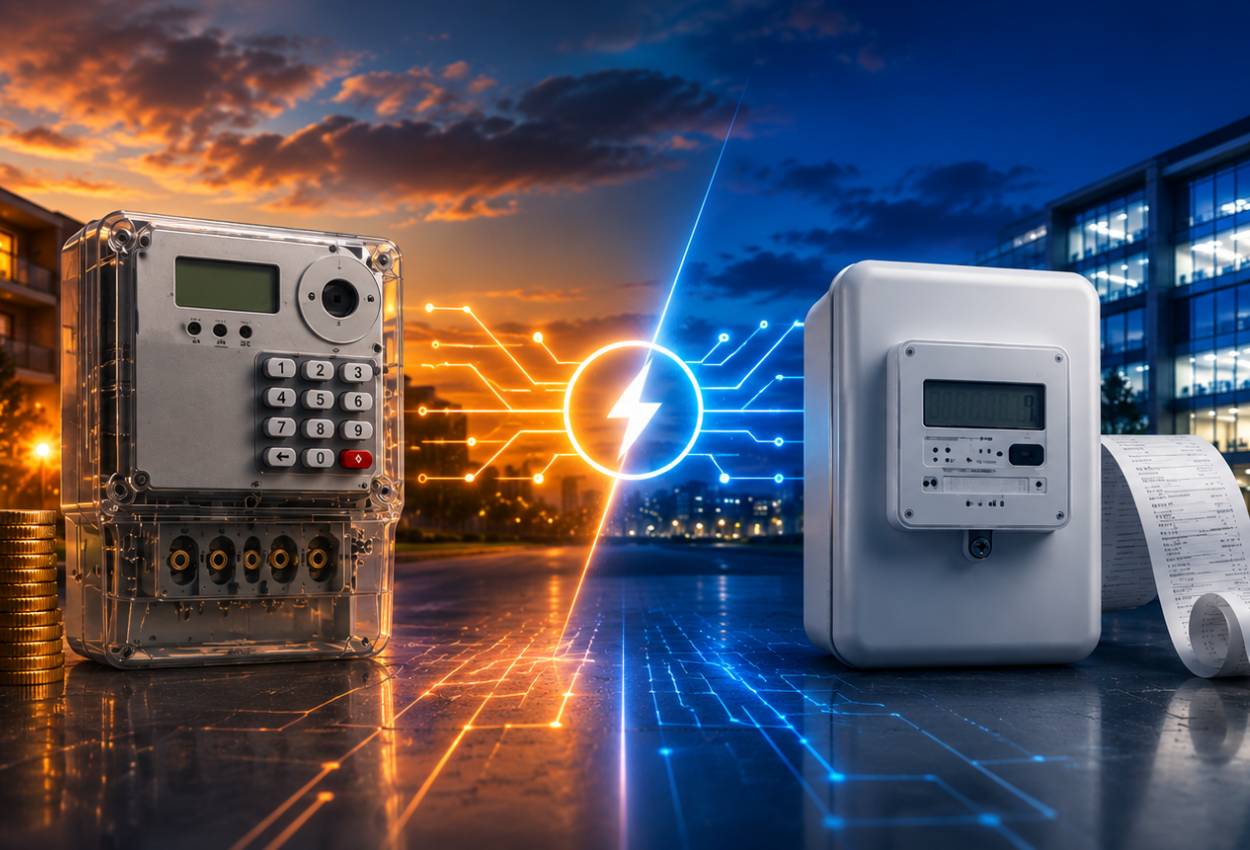

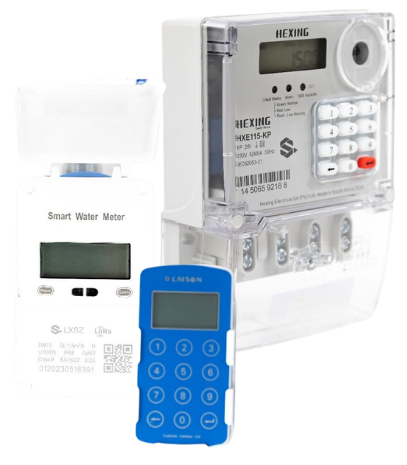
PREPAID VS POSTPAID METERING: WHICH IS BETTER?
When it comes to metering utilities at a residential or commercial property, you have two fundamental options: prepaid metering, where tenants pay before they consume, or postpaid metering, where consumption is measured and billed in arrears.
Understanding the differences is critical to making the right decision for your specific circumstances.

PREPAID METERING
HOW IT WORKS
Tenants purchase credit in advance
Credit is loaded onto the meter using a token or app
When credit runs low, the meter warns the tenant
When credit reaches zero, supply is disconnected automatically
Payment is guaranteed before consumption occurs

POSTPAID METERING
HOW IT WORKS
Meter records consumption over a billing period (typically a month)
A bill is generated and sent to the tenant
Payment is due within a specified period
This is the traditional model used by municipalities and many older rental arrangements
Property owner carries the non-payment risk
WHY MOST PROPERTY OWNERS PREFER PREPAID

GUARANTEED CASH FLOW
Payment is received before electricity is consumed.

NO DEBT COLLECTION
Eliminates arrears and non-payment risk completely.

FEWER DISPUTES
No estimated readings or billing disputes with tenants.

LOWER ADMIN BURDEN
Automated system reduces manual work and errors.
WHEN POSTPAID MIGHT STILL MAKE SENSE

CORPORATE TENANTS
For tenants with strong credit profiles and formal lease agreements.

COMMERCIAL LEASES
For commercial properties with NNN lease structures and clear billing terms.

SPECIAL TECHNICAL REQUIREMENTS
Where bulk supply arrangements require postpaid sub-metering for specific technical reasons.
THE UTILITY SMART APPROACH
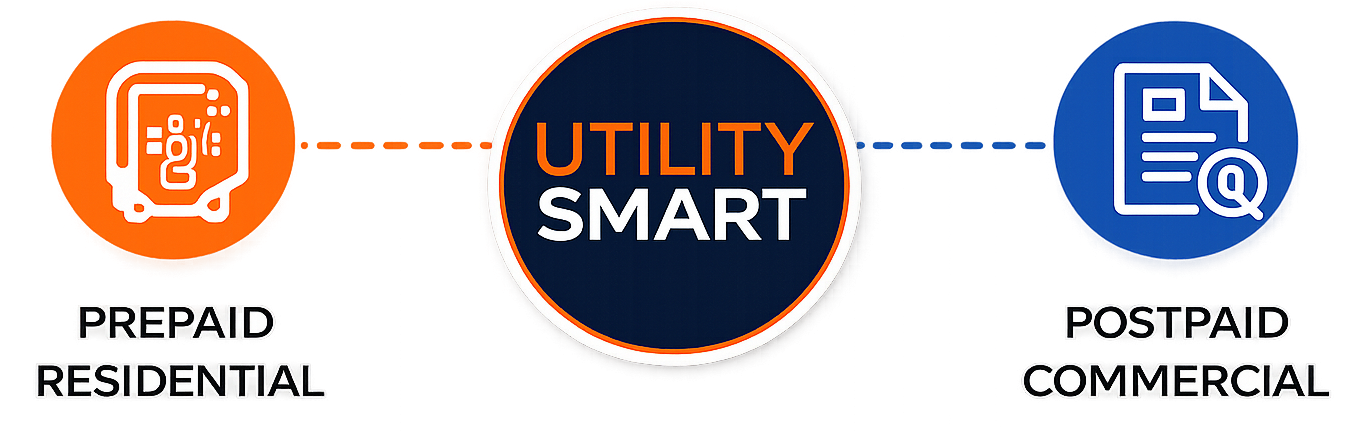
Utility Smart offers both prepaid and postpaid solutions, and our team can help you assess which model best fits your property type, tenant profile, and financial objectives.
Many of our clients opt for a hybrid approach: prepaid meters for residential units and postpaid solutions for commercial anchor tenants.